World of Warcraft Origins
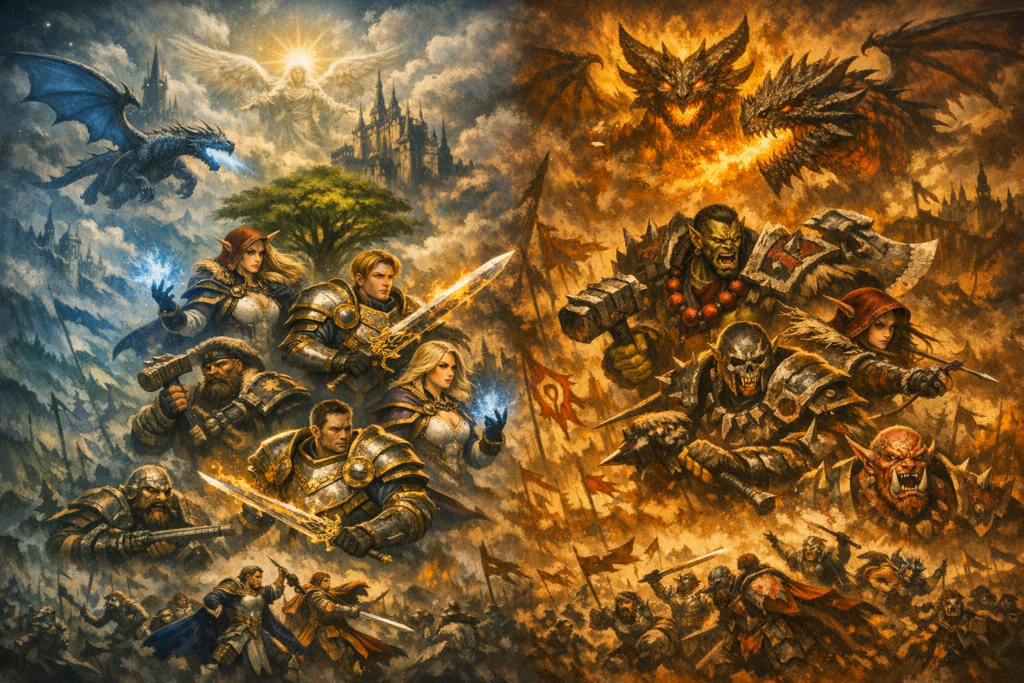
World of Warcraft (WoW) is one of the most influential video games ever created, shaping online culture, redefining MMORPGs, and establishing a living world that millions have called home. This article explores the origins of the Warcraft franchise, the development of WoW, its expansions, and its cultural legacy.
Introduction
Few games have left as deep an imprint on global culture as World of Warcraft. What began as a modest real‑time strategy series in the 1990s evolved into a sprawling online world that redefined how people play, socialize, and tell stories in digital spaces. This article traces the origins of the Warcraft universe, the creation of WoW, and the evolution of the game through its expansions and cultural impact.
The Birth of Azeroth: Warcraft Before the MMO
Long before WoW became a global phenomenon, the Warcraft universe existed as a series of real‑time strategy games. These early titles laid the foundation for the lore, characters, and worldbuilding that would later support a massive online world.
Warcraft: Orcs & Humans (1994)
The first Warcraft game introduced the core conflict between Humans and Orcs and established the earliest geography of Azeroth. Though simple by modern standards, it planted the seeds of a rich fantasy universe.
Key Contributions
- Introduced Stormwind, Elwynn Forest, and the Orcish Horde
- Established the tone of war, corruption, and demonic influence
- Featured early multiplayer gameplay
- Laid the groundwork for future storytelling
Warcraft II: Tides of Darkness (1995)
The sequel expanded the world dramatically, adding new races, naval combat, and a broader geopolitical landscape.
Major Additions
- The Alliance (Humans, Dwarves, Elves, Gnomes)
- The expanded Horde (Orcs, Trolls, Ogres, Goblins)
- Naval and aerial units
- New continents and kingdoms
Why It Mattered
- Became one of the most popular PC games of the decade
- Deepened the lore and worldbuilding
- Established Blizzard as a major studio
Warcraft III: Reign of Chaos (2002)
This game was the true turning point. It introduced hero units, RPG elements, and a sweeping narrative that followed multiple factions.
Iconic Characters Introduced
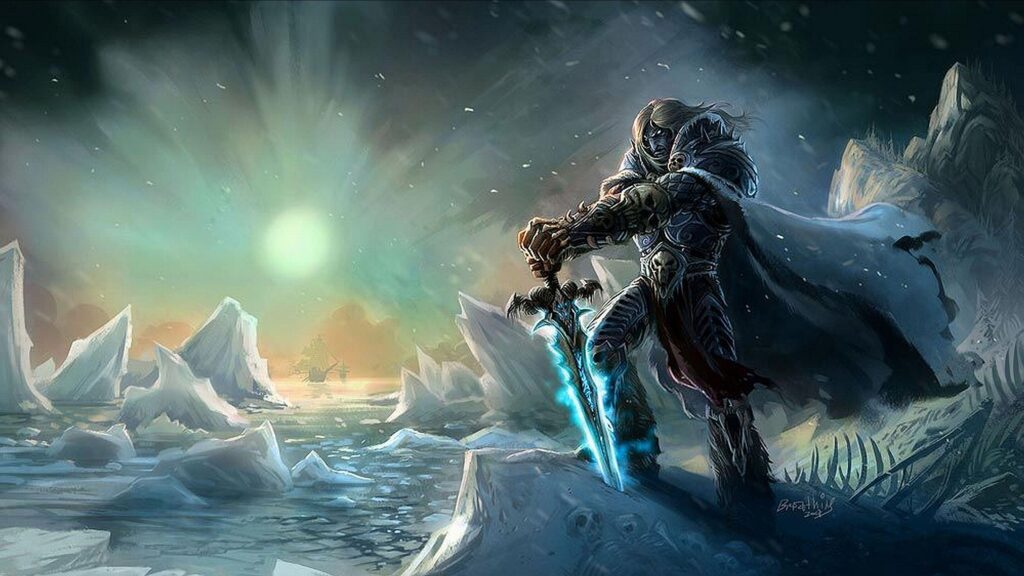
- Arthas Menethil
- Thrall
- Jaina Proudmoore
- Sylvanas Windrunner
- Illidan Stormrage
- Tyrande Whisperwind
Key Innovations
- Hero leveling and abilities
- Four fully developed factions
- Cinematic storytelling
- A world ready for MMO adaptation
The Vision of a Persistent World
Blizzard began developing World of Warcraft around 1999. Inspired by early MMORPGs, the team wanted to create a world that felt alive, accessible, and endlessly explorable.
Core Design Principles
Accessibility
- Reduced penalties for death
- Quest-driven leveling
- Intuitive controls and UI
Immersion
- Seamless world with minimal loading
- Distinct racial architecture
- Environmental storytelling
Social Connectivity
- Guilds, parties, and raids
- Chat channels and friend lists
- Cooperative dungeons and world events
Building Azeroth
Creating a world as large as Azeroth required hand‑crafted detail in every zone.
Elements That Made Azeroth Feel Alive
- Ambient wildlife and soundscapes
- Unique cultural identities for each race
- Music tailored to each region
- Hidden caves, ruins, and landmarks
- Humor, personality, and charm in NPC dialogue
The Launch of World of Warcraft (2004)
On November 23, 2004, World of Warcraft launched in North America. The response was overwhelming, with millions joining within months.
Why the Launch Was Revolutionary
- A polished, accessible MMO experience
- A massive, colorful world full of personality
- Quest-driven progression
- Responsive combat
- Strong social systems
Azeroth quickly became a second home for players around the world.
The Golden Age of Expansions
Each expansion reinvented the game, expanded the lore, and introduced new systems. These expansions kept WoW fresh for nearly two decades.
The Burning Crusade
- Introduced Outland
- Added Blood Elves and Draenei
- Brought flying mounts
Wrath of the Lich King
- Centered on Arthas
- Introduced Death Knights
- Added Northrend
Cataclysm
- Revamped the original world
- Introduced Worgen and Goblins
- Featured Deathwing’s apocalyptic storyline
Mists of Pandaria
- Introduced Pandaria and the Monk class
- Explored themes of war and inner conflict
Warlords of Draenor
- Returned to an alternate Draenor
- Updated character models
- Introduced garrisons
Legion
- Brought back Illidan
- Introduced Demon Hunters
- Widely praised as one of the best expansions
Battle for Azeroth
- Focused on faction conflict
- Added Allied Races
- Introduced Kul Tiras and Zandalar
Shadowlands
- Explored the afterlife
- Introduced Covenants
Dragonflight
- Returned to high fantasy
- Introduced Dracthyr and Evokers
- Focused on exploration
The Cultural Impact of World of Warcraft
WoW is not just a game — it is a cultural force.
Influence on Gaming
- Popularized the subscription MMO model
- Set standards for quest design and raid mechanics
- Inspired countless other games
Influence on Online Culture
- Created friendships, marriages, and communities
- Generated memes, machinima, and fan art
- Became a shared social space before modern social media
Influence on Storytelling
- Delivered epic narratives through quests and cinematics
- Created iconic villains and heroes
- Allowed players to shape their own stories
The Legacy of World of Warcraft
Nearly two decades after launch, WoW remains one of the most influential games ever created. Its legacy includes:
- A richly detailed world that continues to evolve
- A passionate, multi‑generational community
- A design philosophy that shaped modern MMOs
- A cultural footprint that extends beyond gaming
Conclusion
World of Warcraft is more than a game — it is a living world, a shared history, and a testament to the power of imagination. From its humble RTS origins to its status as a global cultural icon, WoW has shaped the gaming landscape in ways few titles ever have.